Most managers hear "first aid training" and imagine a complete day out of the workplace, interfered with timetables, and a scramble to discover cover. I have actually lost matter of how many times a client has actually said, "We know we require first aid courses for compliance, yet we simply can not save personnel for an entire day right now."
That tension between lawful task and functional stress is exactly where express first aid courses gain their area. When they are made correctly, they give team the necessary skills and keep you compliant, while minimising time away from the task. When they are done badly, they end up being a tick‑box workout that crumbles the very first time a person collapses in the storage facility or a kid chokes in the child care room.
This write-up goes through just how to make use of express first aid and CPR training intelligently, so you stay within workplace demands without throwing away time or money.
What "express" actually suggests in first aid training
"Express first aid course" appears straightforward, however different suppliers make use of the term in really various methods. Throughout the years, I have actually seen it utilized to suggest anything from a focused three‑hour CPR refresher, to a completely blended program where most concept rests online and the in‑person useful is compressed right into a short, intensive block.
At its core, an express first aid course intends to condense the get in touch with hours while still fulfilling the learning outcomes of a basic first aid and CPR course. That might be:
- A shorter in‑person session that concentrates on abilities practice, backed by pre‑course online concept modules. A structured version of a full first aid training program where non‑essential subjects are cut, yet lawful or industry demands remain intact.
The threat is noticeable. You can cut time, but you can not cut the critical abilities. Cardiac arrest does not care that the training was "fast certification". If a worker freezes due to the fact that the course went too rapidly and they never ever really practiced breast compressions, your compliance paperwork will be worth really little.
The great express courses fix that by relocating theory out of the class and making the face‑to‑face part extremely useful. Done right, that lets a fast first aid course supply equal or much better ability retention than a sluggish, lecture‑heavy day.
How express training matches office compliance
Different territories https://emilioilcv918.timeforchangecounselling.com/express-first-aid-cpr-for-friendliness-and-retail-teams use different guidelines, yet a lot of modern work environment safety and security frameworks assemble on a couple of expectations. Companies need to:
- Provide accessibility to ideal first aid equipment and facilities. Ensure appropriate numbers of skilled very first aiders. Keep training current, often with CPR correspondence course every one year and full first aid recertification every 2 to 3 years. Consider the certain risks of their office and market, such as childcare, building, production, or remote work.
An express first aid training program can meet these expectations if three problems hold:
First, the course material should map to recognised devices or requirements. If your carrier can not clearly discuss exactly how their express course straightens with across the country identified first aid and CPR training classes or with your regulator's assumptions, treat that as a red flag.
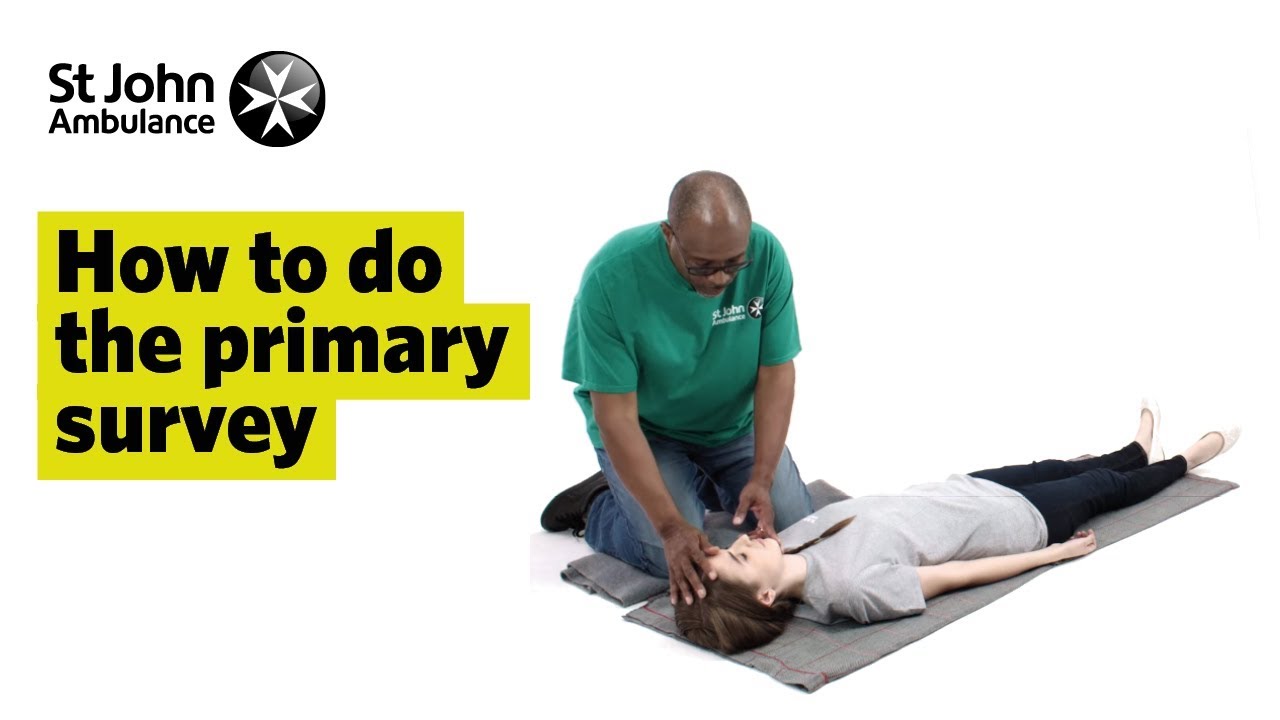
Second, the total understanding time need to be practical. No one discovers exactly how to take care of bleeding, fractures, shock, bronchial asthma, anaphylaxis, seizures, and CPR in an hour. A fast first aid course does not suggest a minor one. It simply means the logistics and shipment are efficient.

Third, there need to be a valid evaluation of competence. Many regulators now enable a mix of on-line theory analysis and in‑person abilities presentation. That suits express shipment well, yet only if the useful component has sufficient time and teacher attention to inspect that participants can really execute CPR, location somebody in the recuperation position, and take care of basic first aid scenarios.
From a conformity perspective, an express first aid course serves as long as the outcomes match those of the regular first aid course, and the paperwork (attendance documents, evaluation outcomes, first aid certificate) stands up to scrutiny in an audit or, a lot more importantly, after an incident.
Where express first aid courses shine
The benefits of fast first aid training turn up clearly as soon as you move from theory into the untidy fact of lineups and staffing.
In a logistics business I collaborated with, we had three depots that each required at the very least two experienced very first aiders per change. Drawing people off the floor for a whole day developed voids that required overtime and agency personnel. By switching to express first aid courses with on the internet pre‑learning, we had the ability to bring little groups right into a three‑hour functional block over numerous days. Team finished the theory in their own time, with rostered allowance. The business reduced overtime, and the depots never ever went down below secure staffing.
Express first aid training and express cpr training can be particularly helpful when:
You have experienced personnel who get on their 2nd or third cycle of first aid and CPR courses and just need a fast cpr refresher course to remain current. Your workplace runs on shift patterns where typical 9 to 5 training days are impractical. You have several sites and need consistency in first aid and cpr course material without flying individuals back and forth. You are onboarding a new group quickly and require a fast first aid course near existing operations immediately beginning dates. You run in fields such as friendliness or retail where launching team for a full day during peak period is near impossible.Under those problems, express first aid courses are not collar reducing. They are a practical method to obtain the discovering carried out in a format that respects how your service operates.
Express CPR vs full first aid: knowing what you in fact need
A typical factor of complication is the difference in between express cpr courses and full express first aid courses. They relate, yet they serve various purposes.
Express cpr training is highly focused. It handles heart attack, less competent casualties, making use of an AED, and in some cases choking monitoring. A brief express cpr course is perfect for offices where the primary risk is a staff member or site visitor collapsing from a cardiac event, such as workplaces, fitness centers, community centres, and numerous retail environments.
Full first aid training, also in express style, has a broader range. It covers topics like:

- Wound treatment and bleeding control. Burns and scalds. Fractures and soft tissue injuries. Medical emergencies such as bronchial asthma, diabetic issues, seizures, and anaphylaxis. Environmental problems like warm, chilly, and minor work environment injuries.
Many workplaces need both: a focus on first aid and cpr, not just one or the various other. Some employers attempt to depend only on brief fast cpr courses for every person, and afterwards only a handful of staff take a fuller first aid and cpr course. That can work in extremely low‑risk environments, but it is often an incorrect economy in production, building, child care, or any kind of setting where people are most likely to be injured or become really unwell.
When I audit work environments, I look at the danger profile initially, not the training catalogue. A warehouse with forklifts, hefty loads, and chemical storage space has very different first aid training needs compared to a little layout workshop. Both could make use of express first aid courses, yet the very first will need even more deepness and more coverage per shift.
Making blended and fast delivery in fact work
The most effective express first aid training programs I have seen share two style functions: clear separation of theory and technique, and fierce use face‑to‑face time for hands‑on skills.
Online modules are ideal for subjects such as:
- Basic anatomy and physiology. Recognising symptoms and signs of usual conditions. Understanding the concepts behind the DRSABCD or comparable key survey frameworks. Legal and moral problems like permission, obligation of care, and infection control.
If individuals can finish that product prior to the express first aid course, the fitness instructor can utilize the in‑person session to concentrate on:
- Demonstrating and practising CPR on grown-up, child, and baby manikins. Placing casualties in the recuperation position. Practising choking management and back blows. Simulating bleeding control, bandaging, and use of pressure. Working with brief, sensible situations that mirror the customer's workplace.
When firms attempt to squeeze both heavy theory and complete useful material right into an extremely brief "fast first aid course" with no pre‑work, something unavoidably gets dropped. Normally, that is method time, which is where learning truly sticks.
Blended fast first aid courses are not just shorter. They are re‑engineered to utilize each setting of delivery wherefore it does finest. Team can pause and revisit theory videos, however they can not stop a real cardiac arrest. https://jsbin.com/ramiyofidu That is why I withstand any kind of attempt to "virtualise" the entire first aid training experience. The human, tactile aspect still matters.
Express child care first aid: why it is different
Childcare atmospheres are their own cosmos. Express childcare first aid courses have to show that. A generic express cpr course for grownups is not nearly enough for teachers in charge of babies and young children.
In childcare, the scenarios look various:
- Choking on food or little objects. Allergic responses and anaphylaxis after exposure to nuts, eggs, or insect stings. Falls from play equipment resulting in possible head injuries. Fever, seizures, and respiratory system distress.
A solid express child care first aid course or program of express child care first aid training weaves those details threats with every part of the session. It focuses much more heavily on paediatric analysis, the differences between adult and kid CPR, appropriate permission with parents and guardians, and documents demands under child care regulations.
The time variable still matters. Lots of childcare centres run with lean ratios. Taking three instructors off the flooring for a full day is a significant hit. Express child care first aid courses that incorporate pre‑course online web content and a focused abilities obstruct can keep centres compliant without breaching staffing policies. The caution, once again, is that the express course has to still meet the paediatric first aid and cpr training standards mandated in your jurisdiction.
If you are a centre director or supervisor, ask on your own a blunt inquiry: would certainly I trust my personnel to handle my very own kid's emergency situation after the course they just attended? If the solution is reluctant, the course style is not right, express or otherwise.
When an express first aid course is not enough
There are situations where a "fast first aid" technique does not serve you, legally or almost. I have suggested numerous customers to step back from express first aid courses and commit to longer training blocks, at least for key staff.
That is usually the situation when:
- Your workplace has high inherent risk, such as heavy market, high‑voltage work, or remote field operations where aid is a long method off. You rely upon a small number of "go‑to" first aiders that are anticipated to manage a lot more intricate cases as opposed to just begin basic care till emergency situation services arrive. You have actually had current major events or near misses that exposed voids in your current first aid training. Your workforce includes numerous brand-new beginners with little previous direct exposure to any type of first aid training. Staff members have language or finding out barriers that make fast shipment unsuitable.
Fast first aid courses are tools, not a global service. Picking them by default, just because they are much shorter, is like selecting safety and security goggles based simply on rate rather than whether they really shield eyes from the risks at hand.
In some settings, a more advanced fap first aid or remote first aid program with added scenarios, expanded care principles, and improvisated techniques is worth the additional time investment. The conformity box may look the exact same on paper, however your useful risk coverage is much stronger.
What a good express first aid carrier looks like
If you look "fast first aid course near me," you will certainly find a long listing of suppliers. Their web sites will certainly typically utilize similar language: nationally acknowledged, experienced instructors, hands‑on, involving. The distinctions arise when you ask much more comprehensive questions.
Here are 5 inquiries that separate the severe, compliant service providers from the rest:
How is your express first aid course structured between online and face‑to‑face elements, and what is the expected overall knowing time? How do you contextualise first aid training for our particular industry and website risks? What ratio of individuals to fitness instructors do you keep for the abilities part, especially for CPR training? How do you analyze proficiency practically, not simply theory? How long does the first aid certificate stay legitimate, and what are your alternatives for fast cpr refresher courses?Listen closely not just to what they claim, but just how certain they are. A carrier that genuinely understands work environment conformity will certainly chat in detail about mapping to called for systems, tailoring scenarios, dealing with change workers, and preserving clear training records you can create in an audit.
By comparison, if the sales pitch concentrates entirely on just how short and low-cost the course is, or if they can not explain how express cpr courses and complete first aid courses vary in scope, keep looking.
Balancing expense, time, and depth
Budget stress are genuine, and training is often one of the initial locations to really feel the press. I have sat in several conferences where money groups ask, "Do we truly require this lots of people on first aid and cpr courses?" or "Can we simply do on the internet only for everybody this year?"
Here is where knowledgeable judgment matters. First aid investing rests at the intersection of expense control, regulative compliance, and moral obligation. The trade‑offs are rarely black and white.
Express first aid training can actually save money when you consider reduced lost time and even more flexible organizing. For big organisations, spreading express cpr courses and fast first aid courses throughout the year can smooth the training tons and prevent the pricey "expiry bubble" where a whole associate's certifications lapse at once.
However, cutting useful time below a specific factor is a false economy. After a significant occurrence, the question is never ever "Just how much did the training price?" It is "Did personnel understand what to do, and did they do it?" District attorneys and coroners look very closely at the quality and relevance of first aid and cpr training classes, not just the presence of a certificate.
My guidance to clients is easy: use express styles anywhere they really fit, however do not wear down core skill practice. Spend less on traveling and time far from work, out the proficiency degree you are aiming for.
Getting your work environment ready for express training
For express first aid courses to run smoothly, prep work matters as high as the course web content. A couple of useful steps make a large difference.
First, routine with expiration dates in mind. Track when personnel first aid certifications and CPR cards expire, and strategy express cpr course sessions a number of weeks ahead of time. This stays clear of last‑minute shuffles and keeps you in advance of any conformity gaps.
Second, explain that on the internet pre‑learning is obligatory, not optional. Staff should complete concept components prior to getting to the express first aid course, so the fitness instructor can concentrate on fine‑tuning abilities. Where feasible, assign paid time for this, rather than anticipating individuals to do it after a long shift.
Third, include your health and safety reps or board fit the program. They frequently recognize which occurrences in fact occur, which areas staff feel the very least confident in, and what kind of express first aid training will certainly have one of the most impact.
Lastly, line up the training with your first aid tools. It appears standard, however many workplaces teach team on a type of first aid set or AED that differs from what is mounted on website. Ask your company to utilize, or at the very least mirror, the equipment your individuals will in fact touch throughout an emergency.
Pulling all of it together
Workplace first aid need to never ever seem like a grudging conformity workout. Done effectively, a mix of express first aid courses, express cpr training, and targeted childcare or innovative programs develops a living https://troyuryo037.image-perth.org/the-busy-moms-and-dad-s-guide-to-fast-first-aid-and-cpr-training safety net across your organisation.
You get there by treating "express" as a shipment approach, not an excuse to downgrade content. Pick fast first aid courses that keep the complete discovering end results, spend heavily in hands‑on method, and respect the truths of your change patterns and staffing. Use express childcare first aid where little ones are involved, and identify when a greater level of fap first aid or remote training is justified.
If, after your next course, you can go through your work environment, point at any kind of initial aider, and with confidence assume, "If something goes severely wrong, that person will know specifically what to do," after that you have struck the best equilibrium between rate, depth, and compliance. That is the actual procedure of whether your express first aid training method is working.